



Minor Ailments: Bacterial Conjunctivitis
Fast assessment, clear advice, and recommended treatments from our trained pharmacists. Confidential minor ailments service available without an appointment.
Recognise symptoms early and get practical treatment advice.
Symptoms, Advice and Treatments
Bacterial conjunctivitis typically causes red, gritty eyes with a yellow or green discharge and eyelid crusting. Our minor ailments service includes a brief assessment of symptoms, advice on hygiene to reduce spread, and, where appropriate, supply of prescription-only antibiotic eye drops or ointment following a pharmacist consultation. We explain how to apply drops safely, when to stop contact lens wear, and signs that need urgent medical review, such as severe pain, vision changes, or light sensitivity. Early advice can shorten illness duration and reduce transmission to family or colleagues.
Redness, discharge, sticky eyelids
Pharmacist can supply antibiotic drops
Advice on safe eye drop use
Rapid assessment and relief options
Practical guidance for safe, effective treatment.
How We Help
Our pharmacists will talk you through how to use eye drops or ointment correctly, including hand hygiene, warming ointment if needed, and timing with other medications. We advise stopping contact lens wear until infection clears and recommend cleaning bedding and towels to prevent re-infection. For mild cases, supportive measures such as cool compresses and lubricating drops may ease discomfort, while bacterial infections may need targeted antibiotic therapy. If symptoms worsen or vision blurs, we direct you to urgent care. Confidential, on-the-spot consultations make it easy to get timely care.

Frequently Asked Questions
Common questions answered to help you decide when to seek pharmacy support and what to expect from treatment.
When should I see a pharmacist for red eyes?
If you have redness with sticky discharge, eyelid crusting, or symptoms that started suddenly—visit the pharmacy for assessment.
Can the pharmacist give me antibiotic eye drops?
Yes. After a brief consultation, a pharmacist can supply antibiotics if suitable, following local minor ailments service protocols.
Should I stop wearing contact lenses?
Yes. Remove lenses until infection clears and use glasses instead to avoid worsening or spreading infection.
How long until I feel better?
Improvement often starts within 24–48 hours on antibiotics; full recovery can take up to two weeks for some people.
When is urgent care needed?
Seek urgent medical help for severe pain, vision loss, sensitivity to light, or if symptoms rapidly worsen.
Fast, confidential minor ailments consultations
Accessible Care When You Need It
No appointment is usually required. Our pharmacist can assess symptoms, discuss treatment options, and supply suitable medication when appropriate. We prioritise infection control, patient safety, and clear instructions for medication use. If your condition needs further medical assessment we will advise the next steps.
Symptom Check
Identify signs of bacterial vs viral conjunctivitis quickly.
Treatment Supply
Where appropriate, supply and explain antibiotic eye drops.
Prevention Advice
Hygiene tips to stop spread and protect contacts.
Correct application matters for effectiveness.
Using Eye Drops Safely
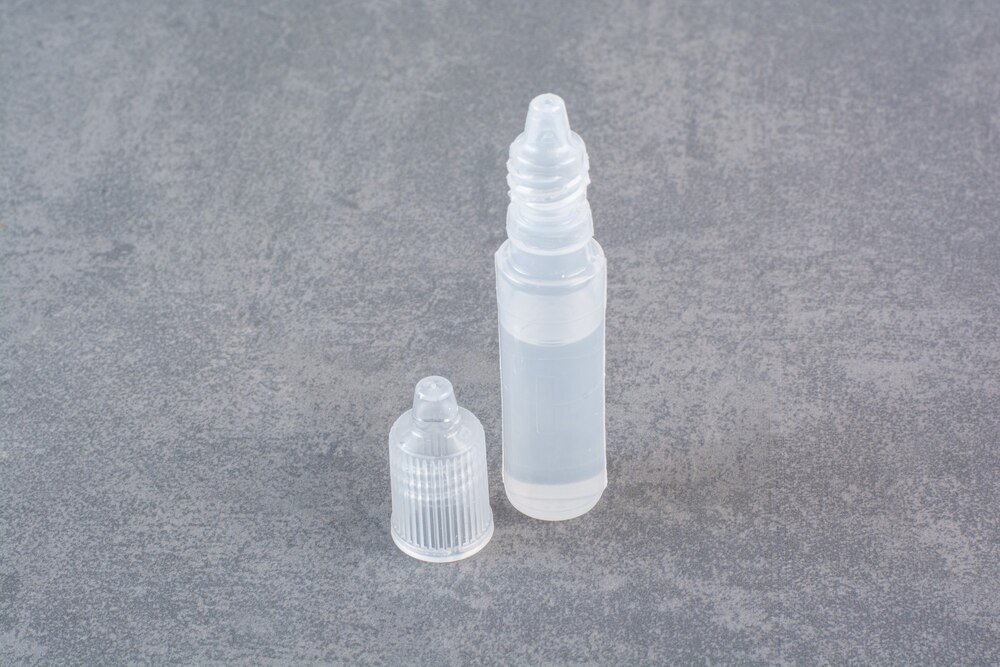
Using eye drops correctly improves outcomes. Wash hands, tilt head back, gently pull lower lid to create a pocket, instil the prescribed number of drops, close the eye briefly and avoid blinking vigorously. Wait several minutes before applying other eye medications. Dispose of or disinfect contact lenses as advised and avoid sharing towels or pillows while symptomatic. Our pharmacists demonstrate application steps if needed and provide written instructions to take home. Proper use helps ensure medication reaches the eye and reduces the risk of recurrence or complications.
Key Points
Our minor ailments service focuses on quick, safe care for common eye infections. The pharmacist evaluates your symptoms, medical history, and any risk factors to determine if antibiotics are appropriate or if self-care and supportive measures will suffice. We prioritise clear instructions for medication use and prevention, including handwashing, laundering pillowcases, and avoiding close contact while contagious. If signs suggest a more serious eye condition, we will refer you promptly to ophthalmology or urgent care. The aim is to relieve symptoms sooner and reduce transmission to others in your household or workplace.
Rapid pharmacist assessment available
Antibiotic drops when clinically indicated
Stop contact lens use immediately
Hygiene reduces household spread