


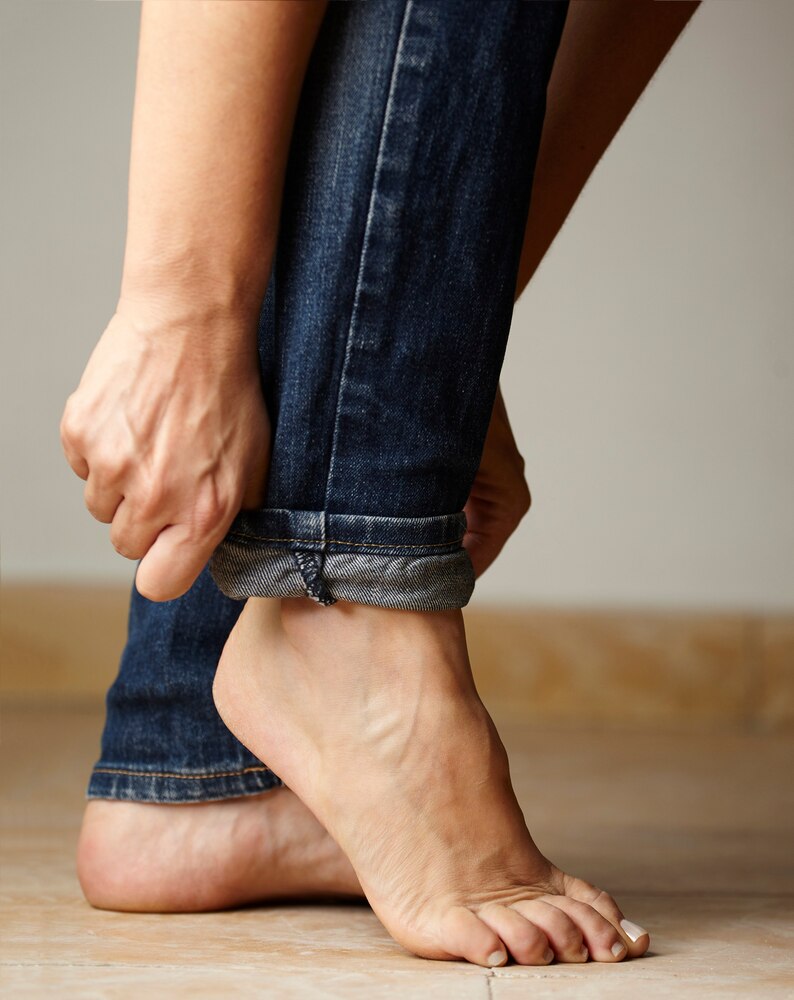
Gout Relief & Minor Ailment Support
Fast, practical advice for managing acute gout attacks and reducing discomfort.
Key Points for Gout Relief
Gout is an inflammatory arthritis caused by uric acid crystal deposits in joints, most commonly the big toe. During an attack, focus on reducing pain and inflammation: rest and elevate the joint, apply cold packs for short periods, and use appropriate over-the-counter anti-inflammatories if you can. Stay hydrated and avoid alcohol and high‑purine foods until the flare settles. If pain is very severe, recurrent, or accompanied by fever, seek medical assessment. A community pharmacist can advise on safe OTC options and when to go to your GP or emergency care.
Rest and elevate the affected joint
Cold packs for short sessions
Use NSAIDs if appropriate
Seek urgent care for fever
Simple measures you can start today.
Immediate Steps to Relieve Gout Pain
At the first sign of a gout attack, begin with conservative measures: rest the joint, keep it elevated, and apply cold compresses for 10–15 minutes several times a day to reduce swelling. Over-the-counter anti-inflammatories such as ibuprofen or naproxen often provide relief — ask pharmacy staff if you have other health conditions or take regular medicines. Drink water to help flush uric acid and avoid alcohol. Avoid aspirin during a flare. If symptoms worsen or don't improve within 48–72 hours, seek medical review.
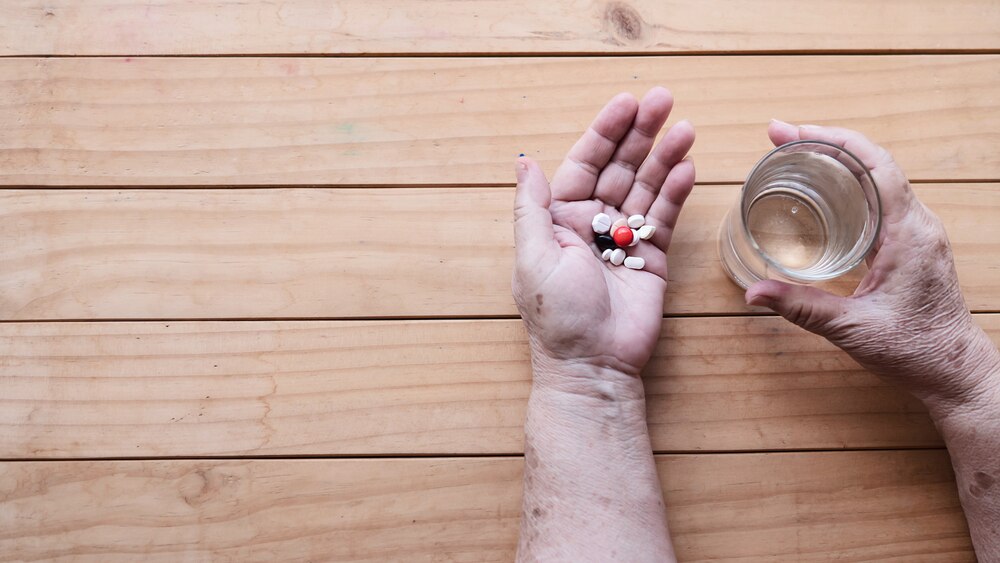
How local pharmacy support can help.
Pharmacy Options and Practical Tips
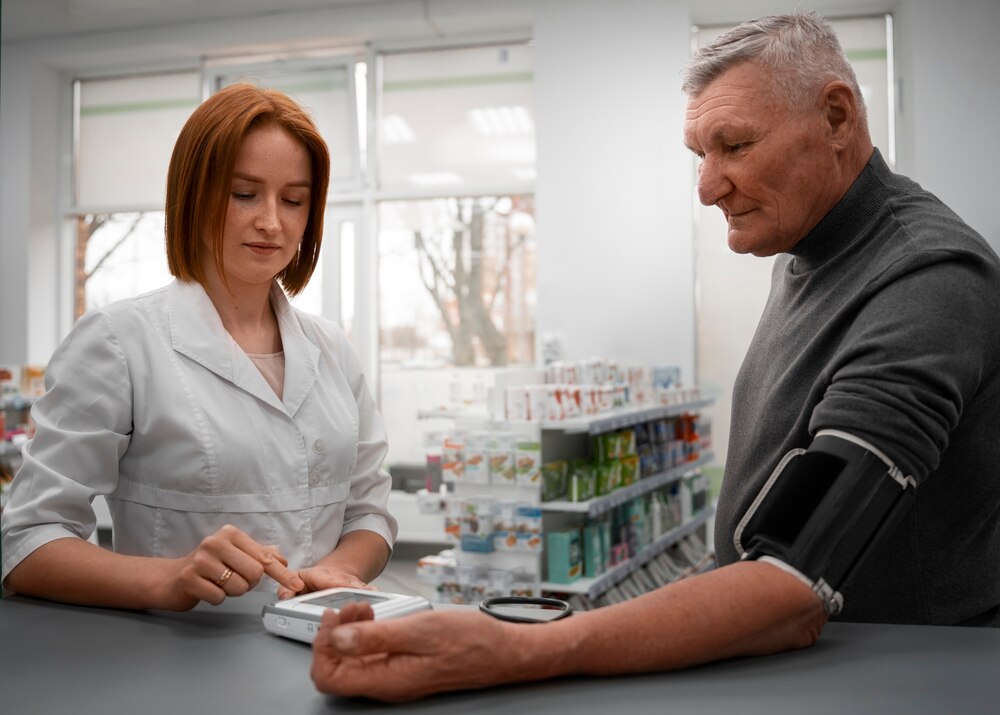
Your local pharmacy can supply suitable over-the-counter pain relief and offer tailored advice on safe use. Pharmacists explain dosing, check for interactions with other medicines, and point out red flags requiring GP or emergency assessment, such as severe uncontrolled pain, spreading redness, or fever. They also advise on lifestyle adjustments to reduce future attacks and can liaise with your GP about prescription options if needed. Pharmacists are a first point of contact for short-term relief and ongoing support for gout management.
OTC pain relief options
Stay well hydrated
Dietary adjustments reduce future attacks
Pharmacy can liaise with GP
Symptoms
Sudden intense joint pain, swelling, and redness.
When to Seek Help
Severe pain, fever, spreading redness, or no improvement.
Self-care
Rest, ice, hydration, and appropriate OTC medicines.
Frequently Asked Questions
Common questions about gout care and the role of pharmacy support.
What causes gout?
Gout is caused by uric acid crystal buildup in joints, often due to high uric acid levels from diet, genetics, or reduced kidney excretion.
Can I treat gout at home?
For mild attacks, rest, ice, hydration and OTC NSAIDs can help. If pain is severe, you have a fever, or symptoms persist, seek medical attention.
Which medicines help gout attacks?
NSAIDs like ibuprofen or naproxen reduce inflammation; doctors may prescribe colchicine or steroids for some patients. Always check with pharmacy or GP about suitability.
When should I see a doctor or emergency department?
Seek urgent care for very severe pain, fever, spreading redness, signs of infection, or if you cannot move the joint.
Can the pharmacy help prevent future attacks?
Yes. Pharmacists advise on lifestyle changes, review medicines for interactions, and can discuss with your GP about urate‑lowering therapy for recurrent gout.
Long-term strategies to lower risk.
Managing Recurring Gout Episodes
If gout recurs, long-term management aims to lower serum uric acid and reduce triggers. Weight loss, limiting high‑purine foods such as red meat and shellfish, reducing alcohol—especially beer—and controlling conditions like hypertension and diabetes help. For frequent attacks, your GP may consider urate‑lowering therapy such as allopurinol, which requires monitoring. Pharmacy staff can support adherence, check for drug interactions, and reinforce lifestyle advice. Regular follow-up with your GP ensures safe, effective long‑term control and reduces the chance of joint damage from repeated flares.
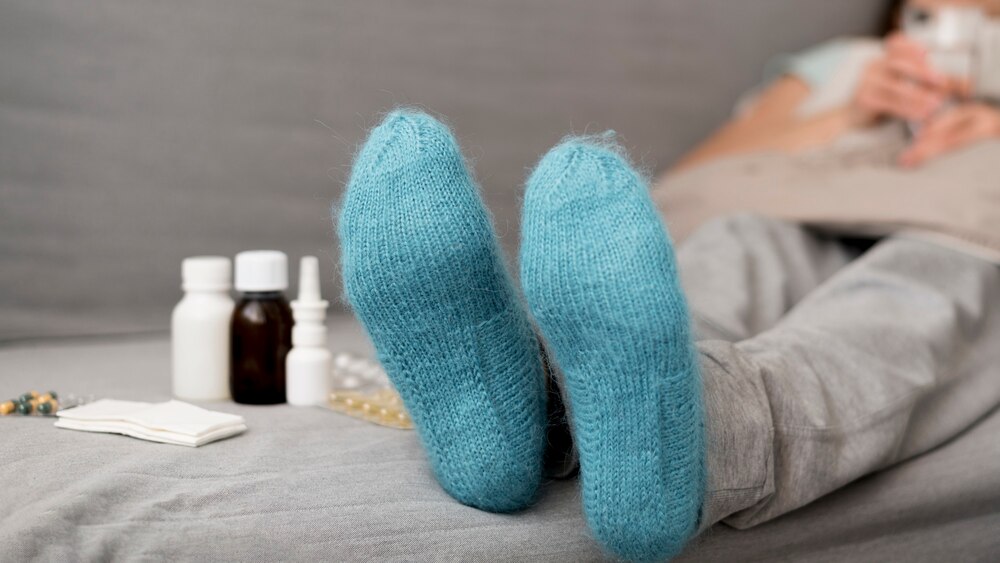
Key actions during an acute attack
Quick Self-Care Summary
During an acute gout attack: rest and elevate the joint, apply cold packs for short periods, and take anti‑inflammatory medicines if suitable. Stay hydrated and avoid alcohol and high‑purine foods until symptoms subside. Avoid massaging a very inflamed joint and do not use heat in early severe inflammation. If you have kidney disease, stomach ulcers, or take blood thinners, consult pharmacy before NSAIDs. If symptoms are severe, recurrent, or accompanied by fever, seek GP or emergency assessment for further treatment.