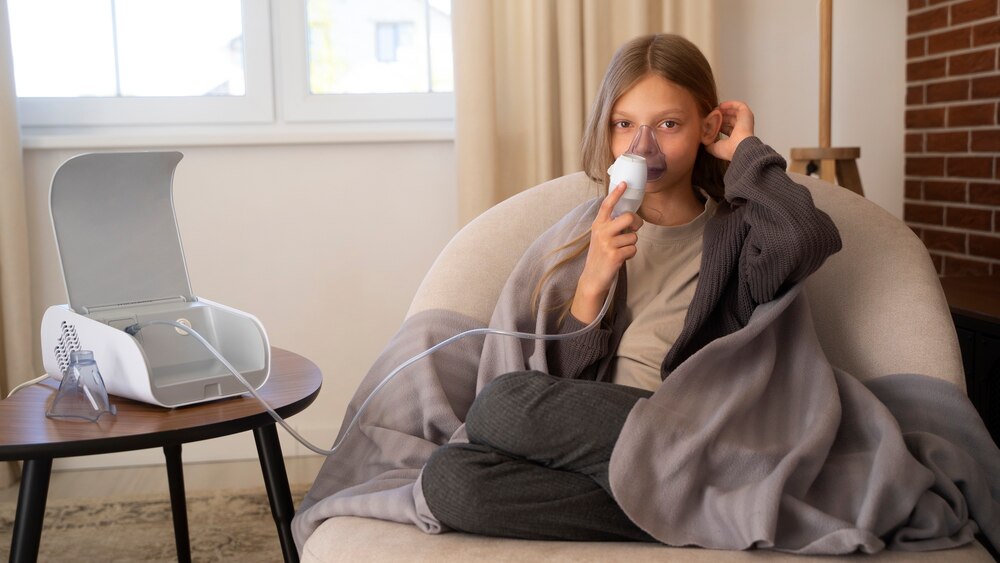



Minor Ailments - Cough
Quick relief and guidance for coughs
Simple guidance from your local pharmacy team.
Understanding and Managing a Cough
Most acute coughs are caused by viral infections and improve within two to three weeks. Simple self-care measures such as staying hydrated, resting, using throat lozenges, and steam inhalation can ease symptoms. Over-the-counter options like expectorants or cough suppressants may help, depending on the cough type. Avoid smoking and smoky environments, which worsen symptoms. If your cough is severe, lasts longer than three weeks, is accompanied by high fever, difficulty breathing, blood in sputum, or unexplained weight loss, seek medical advice promptly. Our pharmacy team can advise on suitable symptomatic relief and when to see a GP.

Key points to consider for immediate care.
Quick Tips and Treatment Options
Choosing the right treatment depends on cough type. A dry cough may respond to suppressants and throat lozenges, while productive coughs benefit from expectorants and hydration to loosen mucus. Children and pregnant women have special guidance, so always consult before giving medicines. Non-drug measures such as humidified air, warm drinks, and saline nasal rinses can reduce irritation. Our pharmacists can recommend age-appropriate products and advise when symptoms suggest a more serious condition requiring further assessment.
Identify dry versus productive cough
Use medicines as directed
Contact a clinician if worsening
Rest and stay hydrated

When to See a Doctor
Persistent cough over three weeks, breathlessness, or coughing blood.
Over-the-Counter Options
Expectorants, suppressants, lozenges and decongestants depending on symptoms.
Pharmacy Support
Advice on self-care, product selection, and red-flag identification.
Cough FAQs
Answers to common questions about minor coughs.
How long should a cough last?
Acute coughs usually resolve within two to three weeks; seek advice if longer.
Can I use cough medicine for a child?
Many are not suitable for young children; check age restrictions and ask the pharmacist.
When is a cough an emergency?
If you have difficulty breathing, chest pain, severe fever, or coughing up blood, seek urgent care.
Are antibiotics needed for most coughs?
No. Most coughs are viral and do not require antibiotics unless a bacterial infection is diagnosed.
What home remedies help a cough?
Warm drinks, honey for adults and children over one, steam inhalation, and rest can relieve symptoms.
Key Points to Remember
Coughs are common and usually self-limiting, but recognising warning signs is important. Keep well hydrated, rest, and use symptomatic treatments appropriately. Avoid giving adult formulations to children and check interactions if you take other medicines. Smoking cessation or avoiding irritants reduces duration and severity. Our pharmacy can advise on symptom relief, safe product choices for children and pregnant women, and when to refer you to a GP or emergency services. If in doubt, ask a pharmacist for personalised guidance.
Most coughs are viral
Hydration aids recovery
Seek help for red flags
Follow age-specific medicine advice
Fast, local support for minor coughs.
When to Visit the Pharmacy
Visit us if you need quick advice on symptom relief, over-the-counter options, or if a cough is not improving. We can assess severity, recommend suitable treatments, and advise when medical review is needed. For persistent or worrying symptoms, we will guide you to the appropriate service without delay.
Non-drug measures that often help.
Self-care Measures
Simple, non-medicinal steps often reduce coughing and support recovery. Increasing humidity with a bowl of hot water or a humidifier, using saline nasal sprays, elevating the head at night, and avoiding cold or dry air can lower irritation. Warm drinks, honey for those over one year, and lozenges soothe the throat. Combine these with rest and good hand hygiene to reduce spread. If symptoms persist beyond a few weeks or you notice worrying signs, arrange a clinical review.